
Hawk Eye Series Tournaments: Rules, Schedule and Prizes


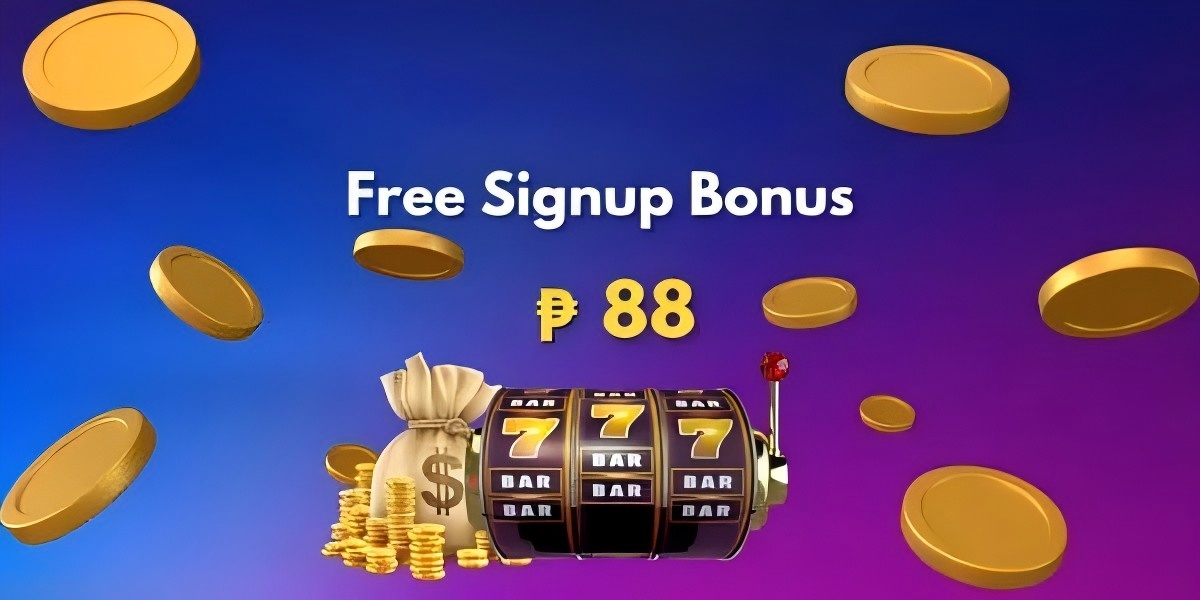
The direct answer: Hawk Eye Series tournaments are time-bound competitions in which eligible play is measured against a published scoring rule and prize ladder. The board below is a reader's schedule model, not a promise of a live event or a guaranteed reward. Check the current notice, eligible titles, entry condition and tie-breaker before choosing whether participation fits your normal limit.
Hawk Eye Series Tournaments Schedule at a Glance
Read the calendar from the time window outward. A short sprint rewards attention to the closing time; a weekly ladder requires a steadier cap; a seasonal event can make the prize pool look important while adding more conditions. The schedule tells you when points count, not who will finish first.
Timing rule: never enter an event whose close time, scoring window or prize conditions you cannot quote back.
Hawk Eye Series Tournaments Leaderboard and Prize Pool
A leaderboard is useful when it shows the scoring unit, update rhythm and tie-break order beside the rank. The compact board below demonstrates how to read those fields. Names are role labels rather than player records, and the peso figures are an explanatory prize-pool example; the live event must be checked for current values.
Points are not the same as cash. Confirm what play counts, whether a bonus contributes, when the board updates and how ties are settled. A hawk eye series bonus can be conditional, and hawk eye series slots may be restricted to a named list. Treat every prize pool as conditional until the complete terms say otherwise.
Practical Steps for Joining Hawk Eye Series Tournaments
Join only after the event notice answers the essential questions. The sequence below protects a normal session budget while leaving room to opt out at any stage. The fact that an event is visible does not create an obligation to enter.
- Confirm the recognised account route and verify that you meet adult and local eligibility requirements.
- Read the event duration, qualifying games, scoring unit, prize pool, entry requirement and tie-break rule.
- Set an event cap that sits inside your ordinary entertainment budget; do not add money to chase a rank.
- Choose only an eligible title whose rules you understand, then record the starting point.
- Check the board at the stated update times and stop when your time or loss boundary arrives.
For a data-led comparison, the RTP review for event readers explains why a long-run statistic is not a tournament forecast. If you want to see a themed title in context, use the Olympus Glory game guide. For an arcade-style alternative, read the Poseidon fishing walkthrough before assuming every eligible game asks the same kind of attention.
Entry checkpoint: current terms, a known cap and a clear stop time are more important than the size of the pool.
Related Hawk Eye Series Games for Event Reading
Event selection should begin with games whose controls and rules you already understand. These real catalogue entries represent different reading tasks; their presence here does not confirm current eligibility or imply a ranking. Open a game icon only as a promotional route and inspect the event notice separately.






The game list is a choice shelf, not a promise that each title qualifies in the current event. Read the live eligibility line first.
Benefits and Limits of Hawk Eye Series Tournaments
The benefit is structure: a published window can give a player a clear reason to stop and a scoreboard can make rules visible. The limit is just as clear: rankings depend on qualifying play, prize conditions can change, and the competition may encourage more rounds than your ordinary budget allows. A hawk eye series casino event is not safer simply because it has a leaderboard.
Common Questions About Hawk Eye Series Tournaments
How do I know which games qualify?
Use the current event notice. The qualifying list, scoring unit and exclusion rules matter more than a game's presence in the wider catalogue.
Does a hawk eye series bonus guarantee a prize?
No. A bonus may require activation, qualifying play, expiry compliance or a wagering condition. Read the complete terms before valuing it.
Will more rounds guarantee a higher rank?
No. More qualifying play may add points under the rules, but it also adds cost and does not guarantee a favourable result or a prize.
What should I do if the board and notice disagree?
Pause entry, save the relevant details and ask through an official support route. Do not rely on a screenshot or a message from an unknown intermediary.
The relationship is simple: the event sets the window and scoring, the game supplies the qualifying round, the account records participation, and the prize terms determine what a rank may mean. Each layer needs its own check.